
- Home
- Treatments
- Splint therapy
Splint therapy in Wasilla
A custom-fitted splint for jaw pain, clicking and teeth grinding, planned by board-certified orthodontist Dr. Jeremy Haines. Every free consultation includes a TMJ analysis, so finding out where you stand costs nothing.
- Free consultation, TMJ analysis included
- Custom-fitted, usually worn at night
- Appointments from 7:30 AM, Monday to Thursday
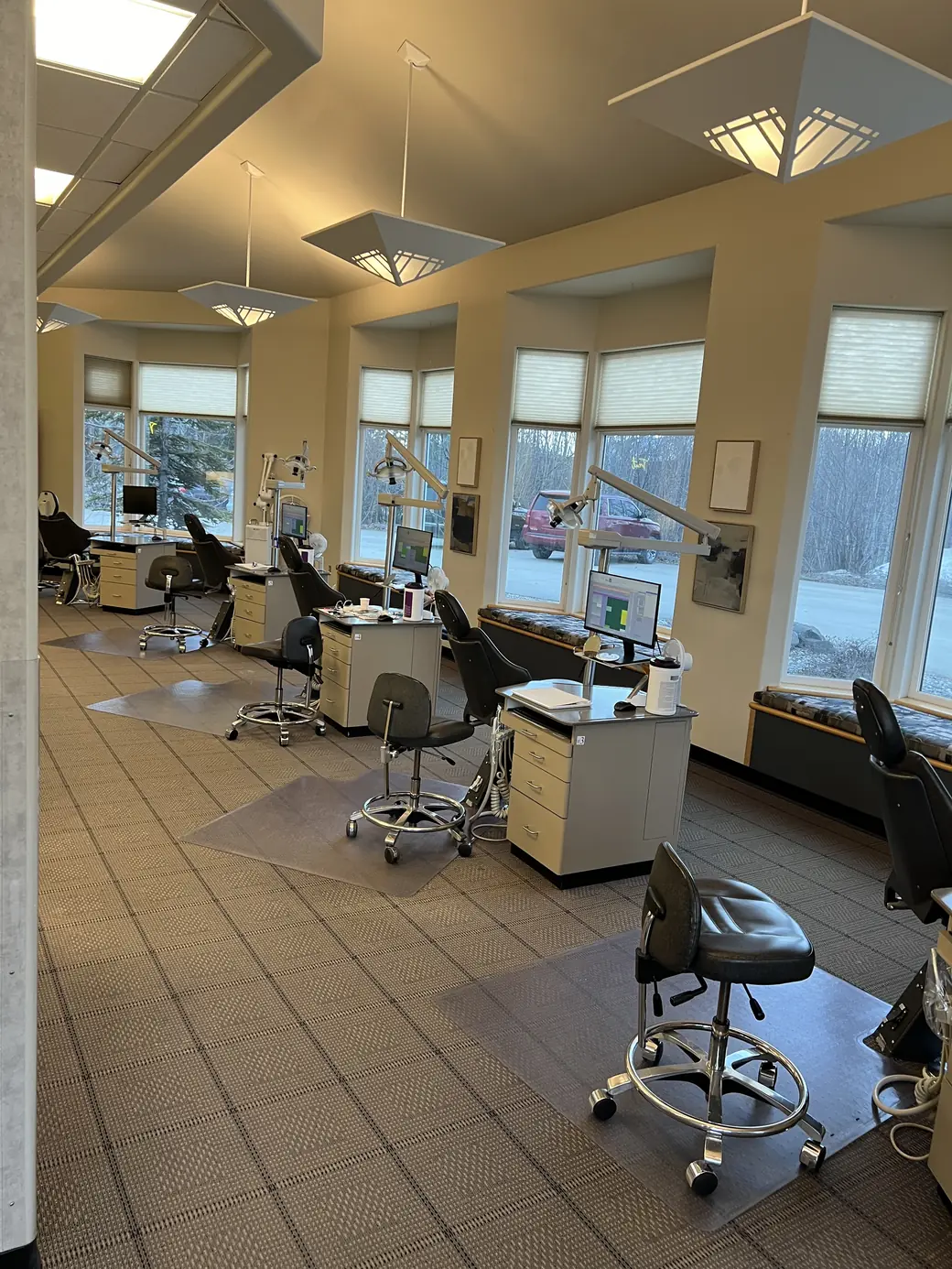
Board-certified orthodontist
Dr. Jeremy Haines is a diplomate of the American Board of Orthodontics.
Orthodontics only
No general dentistry here. Braces and Invisalign for kids, teens and adults.
20+ years in the Valley
A long-established Wasilla office, serving Palmer and the whole Mat-Su Valley.
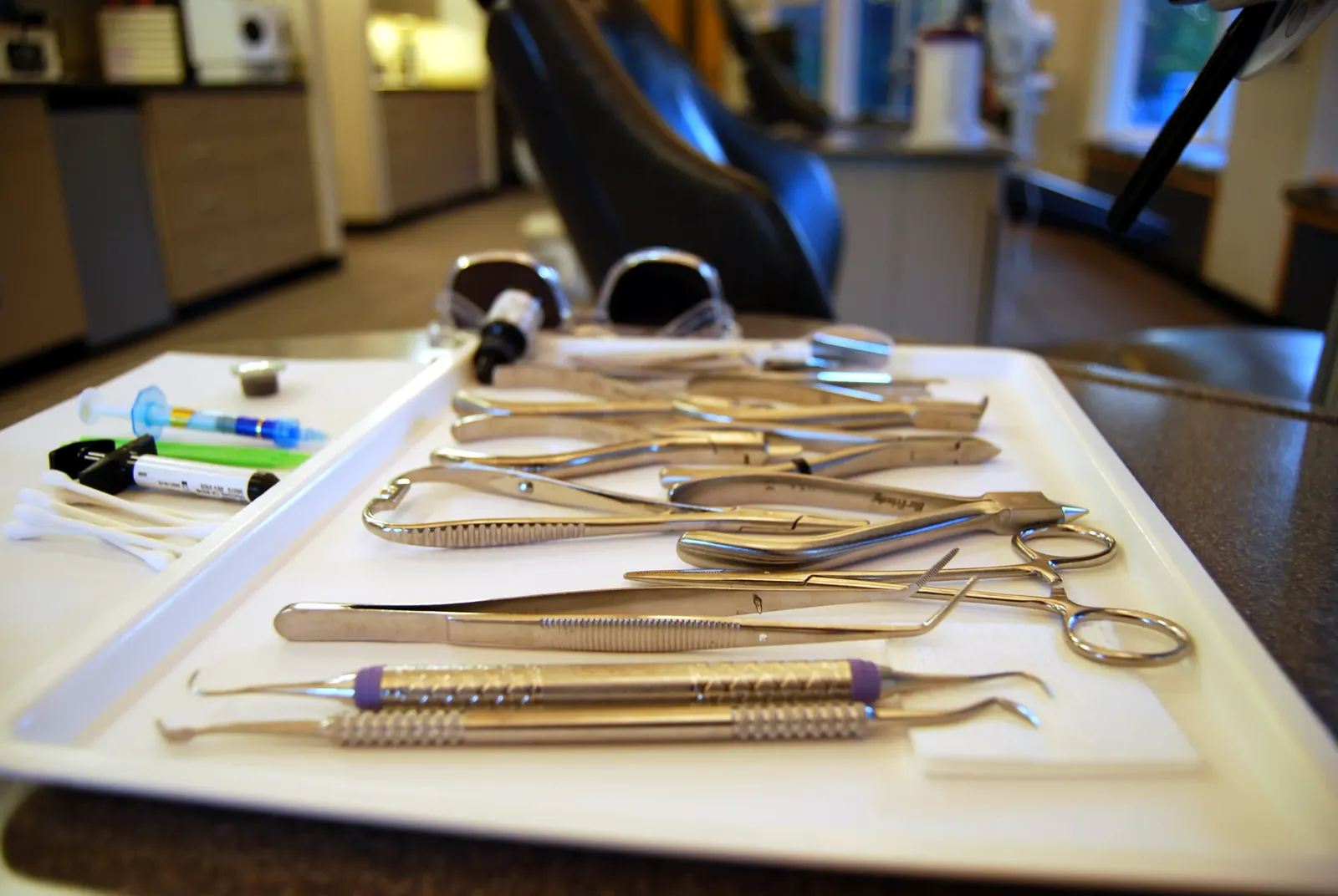
A splint for a sore jaw or a grinding habit
A splint is a thin appliance made to fit over your teeth. It keeps your upper and lower teeth from grinding together and is meant to take pressure off the jaw joints and the muscles that work them.
People usually come to us with one or more of these:
- Jaw pain or soreness
- Frequent headaches
- Clicking or popping when the jaw opens
- Trouble opening or closing the mouth all the way
- Teeth worn down or chipped from grinding
- Neck or shoulder pain that comes with the jaw pain
These can have more than one cause, so a splint isn't the answer for everyone. The exam is how we find out whether your teeth and jaw are part of it.
Common questions about splints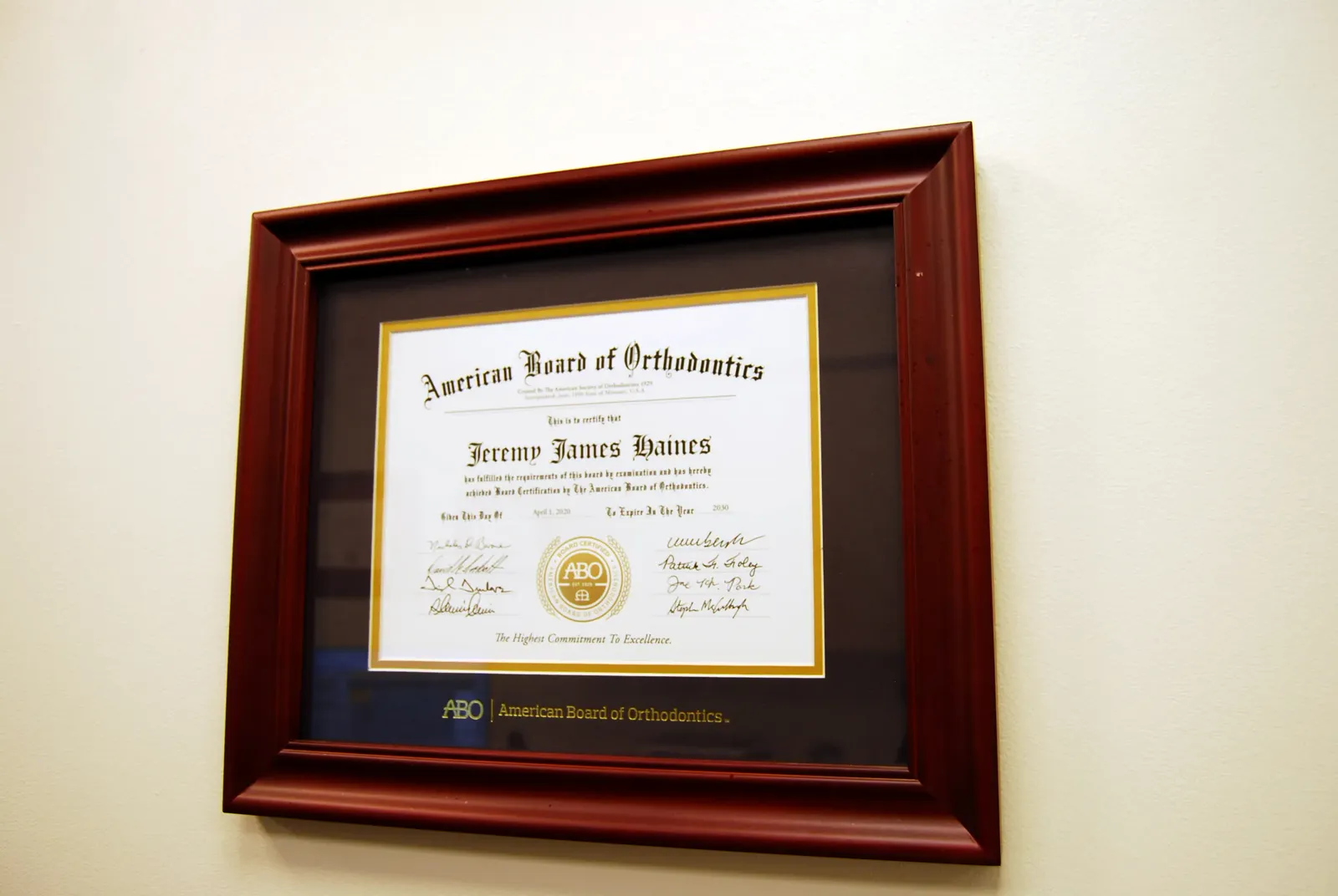
Checked at your free consultation
Every free consultation at Valley Orthodontics includes a TMJ analysis, whatever you came in for.
Dr. Haines looks at how your jaw joints move, how your teeth meet and where they're wearing, with X-rays when he needs a closer look. Then he tells you what he sees and what he would suggest. You leave with a plan and a price, and nothing starts that day.
When jaw pain is tied to a bite problem, braces or Invisalign may come after the symptoms settle. A severely misaligned jaw may need surgical orthodontics, which we plan with an oral surgeon we refer to.
What happens at your first visitHow splint therapy works here
Free consultation
Your symptoms, your teeth and a TMJ analysis, so Dr. Haines can tell you whether a splint is likely to help.
Imaging
X-rays and other images of the jaw joints and teeth, when he needs them to plan the splint.
Your custom splint
Made to fit your teeth and your bite. Not a one-size guard from the pharmacy shelf.
Fitting and adjustment
We check how your bite meets on the splint and adjust it until it sits comfortably.
Follow-up
Regular checks to see how you're doing, adjust the splint and talk through next steps if you need more.
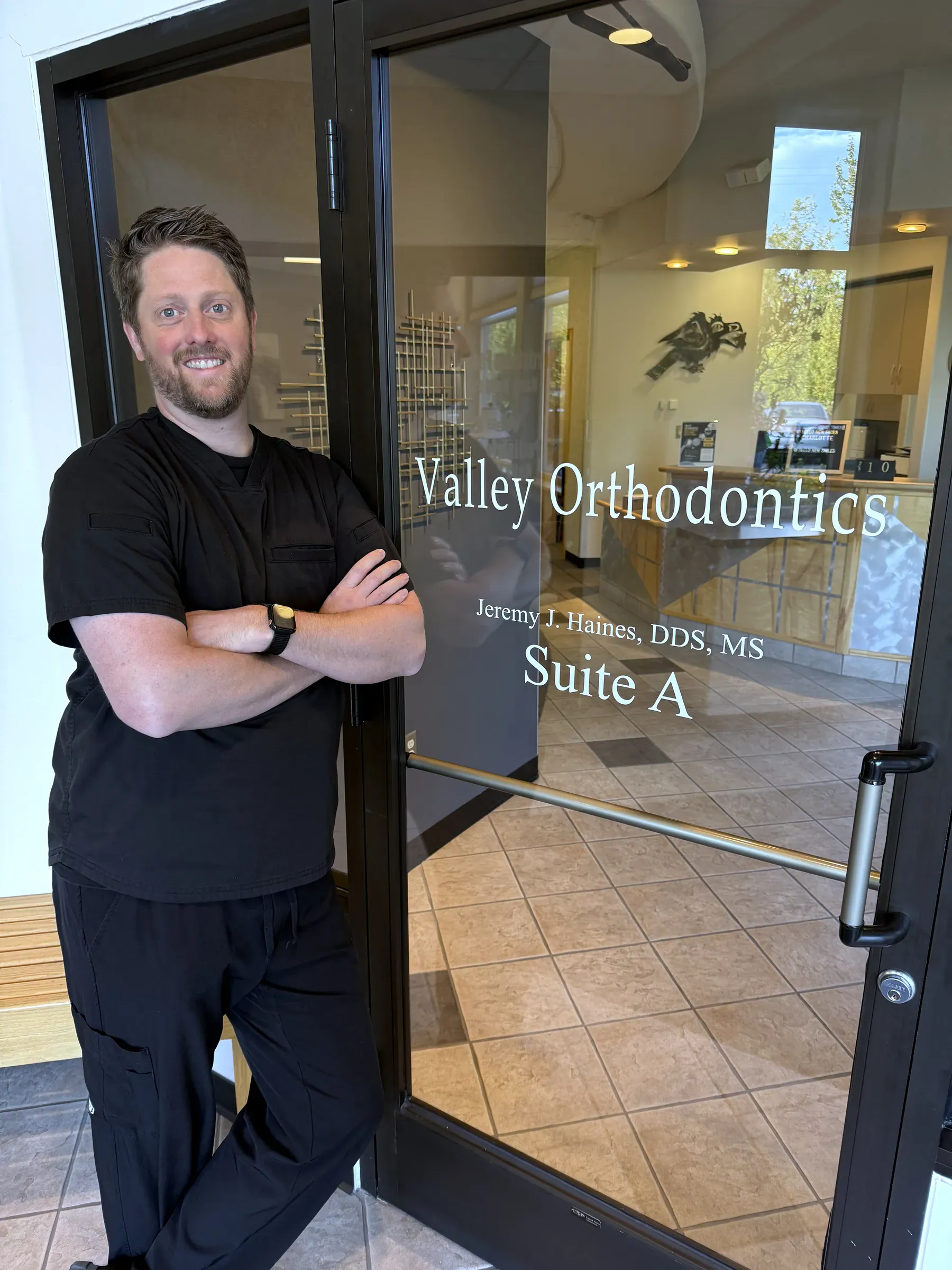
Your splint is planned by Dr. Haines
Your jaw exam, your splint and your follow-ups are planned and checked by one board-certified orthodontist.
Dr. Jeremy Haines grew up in Anchorage and trained at Loma Linda University, where he finished his orthodontic residency in 2016. He looks at how the jaw joints work at every first visit, which is why the TMJ analysis is part of the free consultation.
- Diplomate, American Board of Orthodontics
- Dental degree and orthodontic residency, Loma Linda University
- Member, American Association of Orthodontists
Schedule your free consultation and TMJ analysis
Leave your details and the front desk will call to find a time. You don't need to describe your symptoms here. Dr. Haines will ask at the visit.
Rather just call? (907) 376-1510
Friendly staff, welcoming facility and 10/10 attention to detail.
Maythe Reyes MoraGoogle review
Questions about splint therapy
How much does splint therapy cost in Wasilla?
The consultation and TMJ analysis are free. If a splint makes sense, Dr. Haines tells you the price in writing before anything is made, so there are no surprises. Some insurance plans cover splint therapy and others don't. The front desk can check your plan with you and file the claim.
How soon will I notice a difference?
It varies. Some people notice a change within a few weeks, and for others it takes several months, depending on how long the problem has been building and what is behind it. Your follow-up visits are where we check how you're doing and adjust the splint if it needs it.
Do I wear the splint all day?
Usually not. Most splints are worn at night, while you sleep. In some cases Dr. Haines may suggest wearing yours during the day as well. He'll tell you how many hours a day to wear it when it's fitted, and he may change that at your follow-up visits as things improve.
Can children have splint therapy?
Yes. A splint can be made for a child with jaw pain or a grinding habit, fitted to a mouth that is still growing. Every free consultation includes a TMJ analysis, so if you've noticed your child grinding at night or complaining of a sore jaw, mention it at the visit.
Are there side effects?
Most people get used to a splint quickly. The first few nights can feel strange, and some people have mild discomfort at the start. That usually settles on its own. If it doesn't, or the splint feels tight or rubs anywhere, call us at (907) 376-1510 and we'll adjust it.
Can I do anything at home to help?
Yes. Stress plays a part in clenching and grinding, so relaxation exercises or counseling can help. So can good posture and dropping habits that strain your jaw. Dr. Haines can talk through which of these apply to you at your follow-up visits, alongside the splint rather than instead of it.